

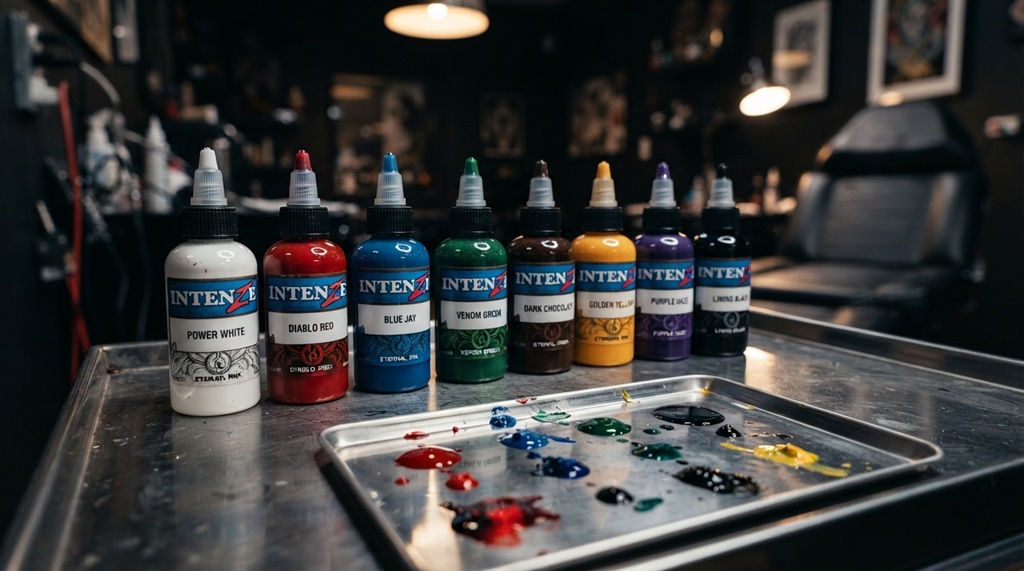

Picking a tattoo ink set that holds its color for years comes down to three things: pigment quality, manufacturer transparency, and how you apply and heal the ink. Cheap or unregulated inks fade faster. They use lower-grade pigments and unstable carrier solutions that break down under skin and sunlight. If you want work that still looks sharp a decade from now, the ink you choose matters almost as much as the artist holding the machine.
This guide is for tattoo artists building their kit and for tattoo fans who want to understand what’s going into their skin. Maybe you’re stocking a studio. Maybe you just want to ask your artist the right questions before your next session. Either way, you’ll learn exactly what separates a long-lasting ink set from one that turns muddy gray in five years.
We’ll cover what causes fading, which ink qualities matter most, how to read a label like a pro, and a few insider tips most buying guides skip.
What Actually Causes Tattoo Ink to Fade
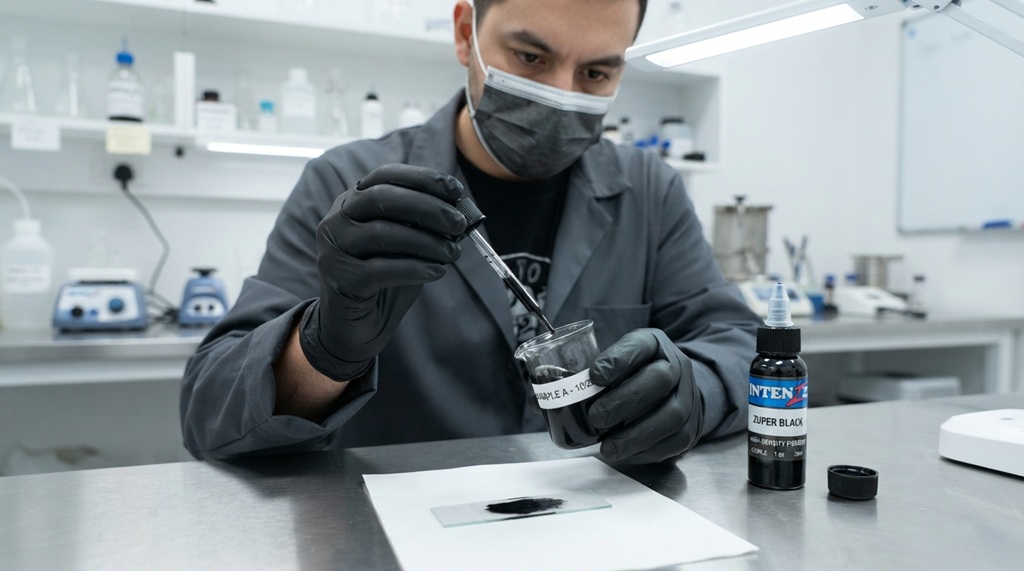
Tattoo fading happens when pigment particles break down or migrate away from their original spot in the dermis. Low-quality ink speeds up both processes. Sunlight, skin cell turnover, and your immune system all play a role, but the ink formulation itself sets the baseline for how much resistance the color has.
Pigment Particle Size and Stability
Smaller, evenly milled pigment particles sit more stably in the dermis and scatter light more consistently. That’s why professional-grade inks look crisper for longer. Inconsistent particle sizes cause macrophages (immune cells that clean up foreign material) to carry away some pigment faster than others. The result: blotchy, uneven fading instead of a gradual, uniform softening.
Carrier Solution Quality
The carrier solution is the liquid that suspends the pigment and helps it flow through the needle. It affects both safety and longevity. Reputable brands use sterile, alcohol- or witch hazel-based carriers with preservatives that keep pigment stable. Cheaper inks sometimes cut corners here. That can raise the risk of skin reactions, which often forces premature touch-ups.
UV Exposure and Ink Chemistry
While brand reputation matters, pigment longevity is fundamentally driven by chemical composition: organic red and light yellow compounds inherently possess higher photosensitivity, making them more prone to ultraviolet-induced molecular degradation over time. Even top-tier, fade-resistant ink sets will lose brilliance if the client routinely skips high-SPF broad-spectrum sunscreen. However, selecting light-stable pigments and prioritizing proper aftercare only solves half of the longevity equation your machine’s needle depth, speed, and torque control ultimately dictate whether those pigments settle evenly within the dermis or blow out. To protect your ink investment and safeguard skin integrity, test rotary tattoo pens like a professional artist so your machine delivers consistent color saturation without causing unnecessary tissue trauma.
Key Qualities to Look for in a Long-Lasting Ink Set
The best tattoo ink sets share a few traits: full ingredient disclosure, consistent pigment saturation, and manufacturing standards that meet regional safety regulations. Skip any one of these and you’ll likely see it later as premature fading, patchiness, or skin irritation.
Full Ingredient Transparency
A trustworthy brand lists every pigment and carrier ingredient on its packaging or website. It won’t hide behind a vague “proprietary blend.” This matters for two reasons. First, it lets artists screen for allergens their clients might react to. Second, it’s a strong signal the manufacturer has nothing to hide about how they make the ink.
Regulatory Compliance
Look for ink sets that meet regional standards. In the EU, that means compliance with REACH regulations on tattoo ink chemicals. In the US, it means the product comes from an FDA-registered facility. Compliance doesn’t guarantee perfection, but it does mean the ink has faced some scrutiny for heavy metals and harmful additives, both of which degrade skin health and color retention.
Consistent Batch-to-Batch Quality
Established brands test each production batch for viscosity and pigment concentration. That means a bottle you buy today performs the same as one you bought a year ago. You can’t judge this from a label alone. Check artist forums and supplier reviews for complaints about “bad batches,” a common sign of quality control problems.
Vegan and Non-Toxic Formulations
Many modern ink sets are now vegan, meaning they skip animal-derived glycerin or bone char, and free of heavy metals like lead, cadmium, or mercury. This isn’t just an ethical selling point. Inks free of unstable heavy metal compounds tend to hold their hue better. They also cause fewer allergic reactions, which means fewer instances of patchy healing and forced re-coloring.
Reading Ink Set Labels Like a Professional
A tattoo ink label should show the pigment index number, the carrier ingredients, the batch number, and an expiration date. If any of these are missing, treat that as a red flag. Reputable manufacturers include this information because most regulated markets require it, and because it protects both the artist and the client.
The pigment index, often shown as a “CI” or Color Index number, identifies the exact chemical compound used for that color. This lets artists cross-reference it against known allergen databases. Expiration and batch dates matter too. Ink degrades over time even unopened. Expired ink is one of the more overlooked causes of dull, fast-fading tattoos, and many artists don’t realize their bottle has aged past its useful life.
Comparing Ink Set Types: Single Colors vs. Pre-Mixed Sets
Single-color ink sets give artists more control over custom blending. Pre-mixed sets offer convenience and consistency for artists who tattoo similar styles repeatedly. Neither type is inherently more fade-resistant. The difference comes down to base pigment quality, not whether a manufacturer or an artist mixed it by hand.
Pre-mixed sets, like realism or portrait-shading kits, save time and guarantee the same tone every time. That’s valuable for artists building a consistent portfolio style. Single pigments suit artists doing custom color work or blending traditional Japanese or neo-traditional palettes, where creative flexibility matters more than exact hue matching. If longevity is your main concern, ask the same quality questions of both types: check ingredient transparency, compliance, and batch consistency.
The Overlooked Factor Most Guides Skip: Ink and Skin Tone Interaction
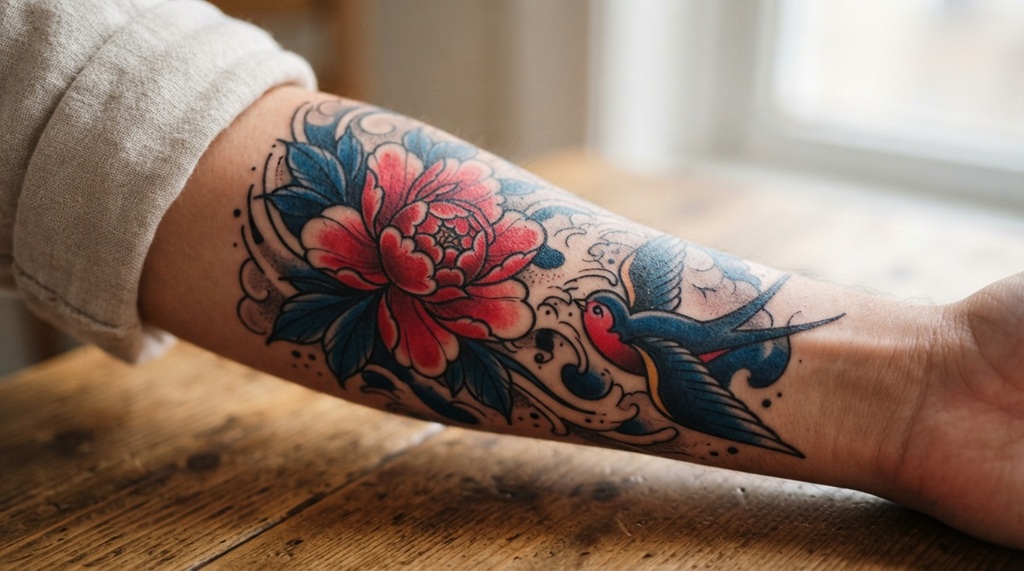
Most buying guides only talk about ink quality on its own. But how a pigment ages depends heavily on the skin tone it’s applied to, and guides rarely mention this. On deeper skin tones, certain pastel and light colors, like pale yellows and light blues, tend to lose visible contrast faster. This happens simply because of how light reflects off melanin-rich skin, regardless of ink quality. Artists who specialize in a range of skin tones often adjust their palette choices and saturation techniques to account for this. It’s less about buying a “better” ink and more about picking the right ink for the specific canvas. If you’re an artist building a kit, test how your core colors read across different skin tones before you commit to a full pre-mixed set. A color that looks vivid on a test strip can behave differently once healed.
How Application and Aftercare Affect Ink Longevity
Even the best ink set fades prematurely if you apply it too shallow, too deep, or fail to care for it properly during healing. Technique and aftercare matter just as much as the product itself. Ink applied too close to the epidermis gets pushed out through natural skin cell turnover. Ink driven too deep can spread and blur. Both problems make a tattoo look faded or muddy well before the pigment itself actually breaks down.
Proper aftercare preserves the ink’s original saturation for years longer. Keep the tattoo clean, moisturized, and protected from sun exposure during and after healing. Daily sunscreen (SPF 30 or higher) on healed tattoos is one of the most effective ways to slow fading. UV light is one of the biggest accelerants of pigment breakdown, no matter how good the ink was to begin with.
Frequently Asked Questions
How long should a good quality tattoo ink last before fading?
A well-applied tattoo using high-quality ink, with proper aftercare and sun protection, should hold strong color for 10-15 years or more before it needs a touch-up. Fading is gradual and expected over decades. A noticeable drop in vibrancy within just a year or two usually points to lower-quality ink or poor healing conditions.
Are more expensive tattoo inks always better?
Not necessarily. Price often reflects pigment purity, brand testing standards, and packaging, but some mid-priced brands with strong reputations perform just as well as premium ones. Look for transparency and reviews from working artists instead of relying on the price tag alone.
Can vegan tattoo ink fade faster than traditional ink?
No, vegan formulations aren’t inherently less durable. They simply swap animal-derived ingredients, like bone char or glycerin, for plant-based alternatives while keeping similar pigment chemistry. Longevity depends on pigment and carrier quality, not whether the formula is vegan.
Why do some tattoo colors fade faster than others?
Lighter and more photosensitive pigments, such as certain yellows, light reds, and pastels, break down under UV exposure faster than darker, more stable pigments like black or navy. This is a chemistry issue tied to the specific pigment, so even a top-tier ink set will show some colors fading before others.
Is it safe to mix ink brands within the same tattoo?
Many professional artists mix brands to achieve specific color effects, and this is generally safe as long as each ink comes from a reputable, compliant manufacturer. The main risk isn’t the mixing itself. It’s using an inconsistent or untrustworthy brand for any single color in the piece.
Final Thoughts
Choosing a tattoo ink set that resists fading isn’t about grabbing the priciest bottle on the shelf. It’s about verifying ingredient transparency, checking regulatory compliance, and understanding how pigment chemistry interacts with application technique and skin tone. Artists who research their suppliers, and clients who ask informed questions before booking, both end up with work that ages gracefully instead of turning dull within a few short years. Combine a trustworthy ink set with solid technique and consistent aftercare, especially sun protection, and there’s no reason a tattoo shouldn’t stay vivid for well over a decade.