

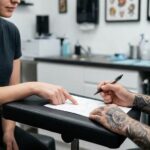

Why Avoid Alcohol After Getting a Tattoo
Alcohol is a natural blood thinner which means it can increase bleeding during and after your tattoo session. Excessive bleeding can push ink out of the skin leading to a faded or patchy result. This is especially true for fresh tattoos where the ink needs to settle properly.
Drinking also dehydrates your body and skin. Healthy skin needs moisture to heal efficiently. Dehydration can cause the skin to become dry and flaky which may damage the tattoo as it recovers. Proper hydration helps maintain skin elasticity and supports the healing process.
Alcohol weakens the immune system making it harder for your body to fight off infections. A fresh tattoo is an open wound and more susceptible to bacteria. Reducing alcohol intake helps your immune system stay strong and protect the tattooed area.
Many people experience increased pain sensitivity when drinking alcohol. The tattoo process already causes discomfort and alcohol can heighten this sensation. Avoiding alcohol can help manage pain levels more effectively during recovery.
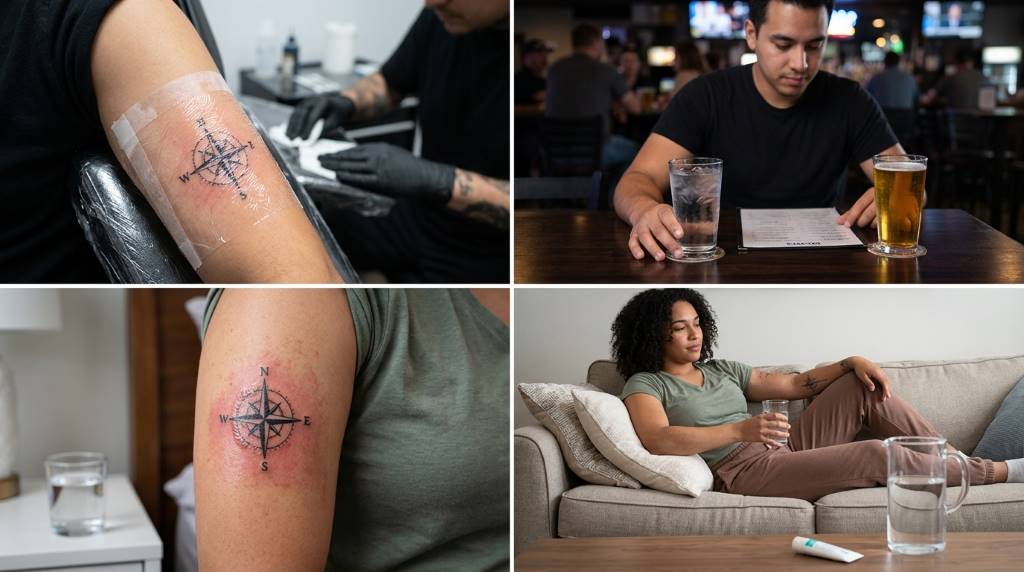
How Long to Wait Before Drinking Alcohol
Most tattoo artists recommend waiting at least 24 to 48 hours before consuming alcohol after getting a tattoo. This time frame allows your skin to begin the initial healing process. It also reduces the risk of excessive bleeding and ink loss.
For larger or more complex tattoos waiting up to a week may be beneficial. These tattoos often require more time to heal properly. Giving your body extra time can improve the final appearance of the tattoo. Always follow the specific advice of your tattoo artist.
If you have a history of slow healing or sensitive skin consider extending the waiting period. Some individuals may need more time for their skin to recover fully. Listening to your body and consulting your artist can help determine the best approach.
Hydration plays a key role in recovery so focus on drinking plenty of water during this time. Water helps flush out toxins and supports skin repair. Avoiding alcohol also means avoiding its dehydrating effects on your body.
Risks of Drinking Alcohol After a Tattoo
One of the biggest risks of drinking after a tattoo is infection. Alcohol impairs judgment which may lead to poor aftercare decisions. Touching the tattoo with unwashed hands or skipping cleaning routines can introduce bacteria.
Alcohol can also cause excessive swelling and bruising around the tattooed area. This can prolong the healing process and affect the final look of the tattoo. Swelling may also cause discomfort and limit mobility in the affected area.
Another concern is the potential for ink loss. Alcohol thins the blood which can cause more ink to bleed out during the healing process. This may result in a tattoo that appears faded or incomplete once healed.
Drinking can also slow down the bodys natural healing abilities. The liver focuses on processing alcohol instead of repairing skin tissue. This delay can extend the recovery time and increase the risk of complications.
What to Do Instead of Drinking Alcohol
Staying hydrated is one of the best things you can do for your new tattoo. Water helps keep your skin moisturized and supports the healing process. Aim for at least eight glasses of water a day to maintain proper hydration levels.
Eating a balanced diet rich in vitamins and minerals can also promote healing. Foods high in vitamin C and zinc support skin repair and immune function. Leafy greens nuts and lean proteins are excellent choices during recovery.
Following your tattoo artists aftercare instructions is crucial. This usually includes washing the tattoo gently with mild soap and applying a thin layer of ointment. Keeping the area clean and moisturized helps prevent infections and scabbing.
Getting plenty of rest allows your body to focus on healing. Sleep is when most skin repair occurs so aim for seven to nine hours per night. Avoid strenuous activities that could strain the tattooed area.
Unique Considerations for Tattoo Placement
Tattoos on areas with thin skin like the ribs or wrists may require extra caution. These areas are more sensitive and prone to irritation. Avoiding alcohol can help reduce discomfort and support better healing.
For those with tattoos in highly visible or frequently used areas like the hands or neck alcohol can increase the risk of accidental damage. These areas are exposed to more movement and friction which can disrupt healing. Being mindful of alcohol intake can protect these tattoos.
If you have a vertical quote tattoo on your arm or leg alcohol can affect blood flow to these areas. Proper circulation is essential for delivering nutrients to the skin and supporting recovery.
People with multiple tattoos or large pieces should be especially cautious. The more skin that is affected the longer the body may need to recover. Avoiding alcohol can help ensure all areas heal evenly and properly.
Signs of Complications to Watch For
Excessive redness or swelling around the tattoo may indicate an infection. While some redness is normal it should gradually decrease over time. If it worsens or spreads seek medical attention promptly.
Pus or foul odor coming from the tattoo is a clear sign of infection. This requires immediate care to prevent further complications. Do not ignore these symptoms as they can lead to serious health issues.
Severe pain that does not improve with time may also signal a problem. While tattoos can be sore during healing persistent or worsening pain is not normal. Consult your tattoo artist or a healthcare professional if this occurs.
Fever or chills after getting a tattoo can indicate a systemic infection. These symptoms should never be ignored. Seek medical help right away to address the issue.
Tips for a Smooth Tattoo Healing Process
Wash your tattoo gently with fragrance free soap and lukewarm water. Pat it dry with a clean paper towel to avoid irritation. Apply a thin layer of tattoo specific ointment as recommended by your artist.
Avoid picking at scabs or scratching the tattoo as it heals. This can pull out ink and cause patchy areas. Let the skin flake off naturally to preserve the design.
Wearing loose clothing over the tattoo can prevent rubbing and irritation. Tight clothing can stick to the tattoo and disrupt healing. Choose breathable fabrics like cotton to keep the area comfortable.
Protect your tattoo from direct sunlight until it is fully healed. UV rays can fade the ink and damage the skin. Once healed apply sunscreen to maintain the tattoos vibrancy.
Common Myths About Tattoos and Alcohol
Some people believe that drinking alcohol before a tattoo can help numb the pain. However alcohol actually thins the blood and can make the process more difficult. It may also increase bleeding and discomfort during the session.
Another myth is that a small amount of alcohol will not affect healing. Even moderate drinking can dehydrate the skin and slow down recovery. It is best to avoid alcohol entirely during the initial healing period.
Many think that once the tattoo stops peeling it is fully healed. In reality the skin continues to repair beneath the surface for several weeks. Avoiding alcohol for the full healing time ensures the best results.
Some assume that only heavy drinking poses a risk. Even light drinking can have negative effects on healing. The safest approach is to abstain from alcohol until the tattoo is completely recovered.
Final Thoughts on Alcohol and Tattoos
Getting a tattoo is a big decision and proper aftercare is essential for the best outcome. Avoiding alcohol after getting inked helps ensure a smooth healing process. It reduces the risk of complications and supports the longevity of your tattoo.
Remember that everyones body reacts differently to tattoos and alcohol. What works for one person may not work for another. Always listen to your body and follow the advice of your tattoo artist.
If you are unsure about how alcohol may affect your tattoo consult a healthcare professional. They can provide personalized guidance based on your health and healing progress. Taking care of your tattoo now will keep it looking great for years to come.
For those curious about the tattoo experience understanding what does tattoo feel like can help prepare you for the process. Knowing what to expect can make the experience less intimidating.
Frequently Asked Questions
Can I drink alcohol the same day I get a tattoo
It is best to avoid alcohol for at least 24 to 48 hours after getting a tattoo.
Will drinking alcohol ruin my new tattoo
Drinking alcohol can increase the risk of bleeding infection and ink loss which may affect the tattoos appearance.
How does alcohol affect tattoo healing
Alcohol dehydrates the skin thins the blood and weakens the immune system which can slow down healing.
Can I drink beer after getting a tattoo
It is recommended to avoid all types of alcohol including beer for at least 24 to 48 hours.
What should I do if my tattoo looks faded after drinking
Consult your tattoo artist for touch ups and follow proper aftercare to restore the tattoos appearance.
Conclusion
Avoiding alcohol after getting a tattoo is a simple yet effective way to support healing. By waiting at least 24 to 48 hours and following your artists aftercare instructions you can help ensure your tattoo looks its best. For more information on tattoo care and placement check out this guide on what age can you get a tattoo. Take care of your new ink and enjoy the process of healing.