

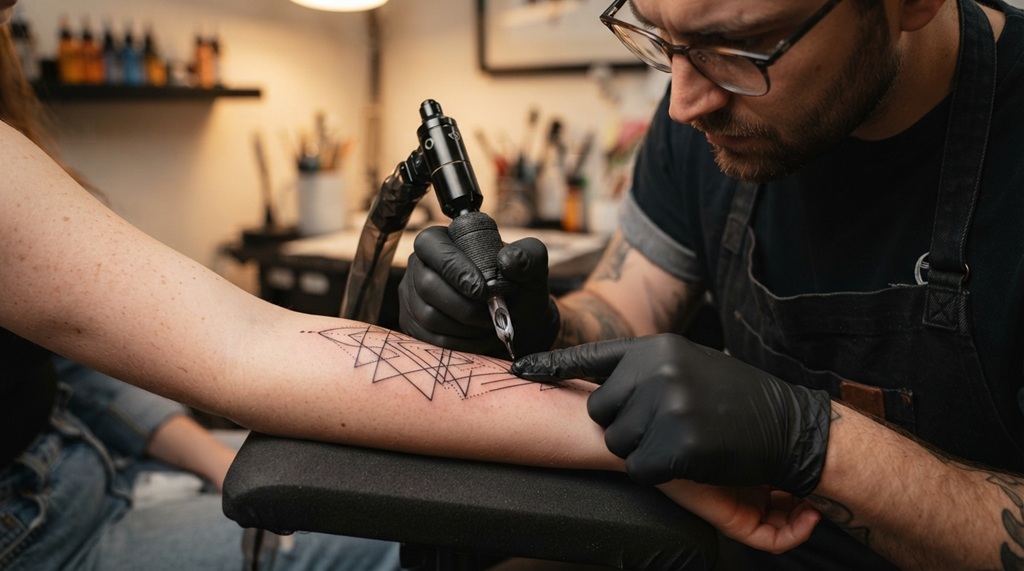

Trending tattoo art styles show up first in three places: artist portfolios, tattoo conventions, and niche social media tags. If you want to spot them early, stop scrolling generic hashtags and start watching what specific artists post week to week. This guide shows you exactly where trends surface, how to tell a real trend from a passing fad, and which styles are actually gaining traction right now.
Trend-spotting isn’t guesswork. It follows patterns you can learn. Artists talk to each other. Styles move between cities. Once you know what to look for, you’ll notice shifts months before they hit mainstream media.
This article breaks the process into clear steps. You’ll learn where to look, what signals matter, and how to avoid chasing trends that fade in a season.
Why Tattoo Trends Are Harder to Predict Than Fashion Trends
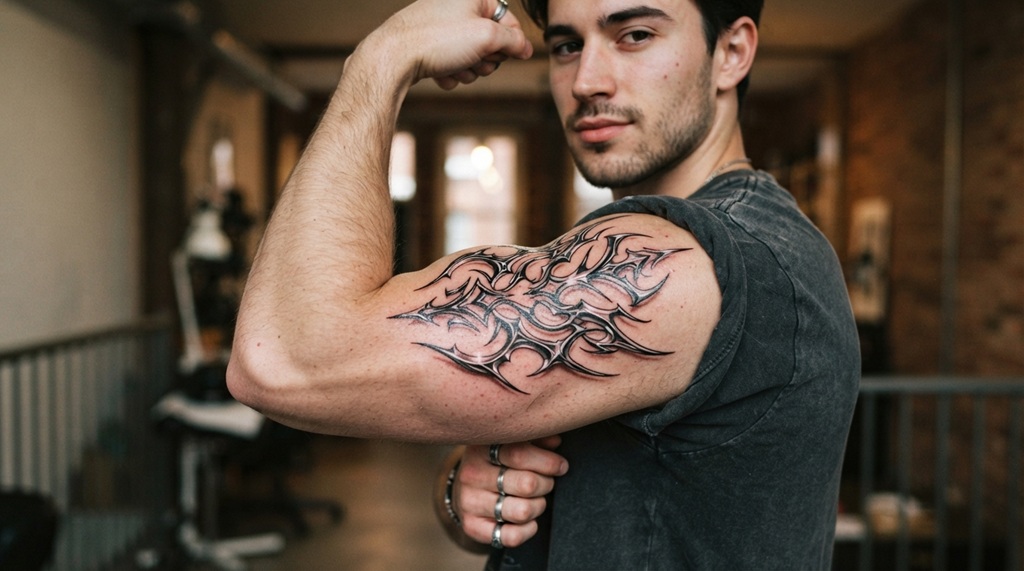
Tattoo trends move slower and less predictably than fashion because tattoos are permanent decisions, not seasonal purchases. A person might follow a clothing trend for one summer. Nobody wants a tattoo that feels dated in two years. This makes the tattoo world more resistant to fast hype cycles.
That said, styles still rise and fall. They just do it through different channels.
Artist-Driven, Not Brand-Driven
Fashion trends often start with brands and designers pushing a look. Tattoo trends usually start with individual artists developing a technique or aesthetic, then other artists adapting it. There’s no central authority. The trend spreads artist to artist, studio to studio.
Global Inspiration, Local Impact
A groundbreaking aesthetic often dominates creative hubs like Seoul, Mexico City, or Los Angeles for months before gaining international momentum, meaning relying solely on your local scene leaves you steps behind emerging movements. By expanding your radar to global art capitals, you can spot rising trends before they reach the mainstream, ensuring your technique stays ahead of the curve; if you are ready to translate these elevated visual influences into precise craft by mastering smooth gradients and subtle shading transitions, explore our definitive guide on how to blend black and grey ink for realistic tattoos.
Where Trending Styles Actually Surface First
Most trend articles tell you to “check Instagram.” That’s too vague to be useful. Here’s where styles genuinely surface before they go wide.
Tattoo Conventions and Guest Spots
Conventions are where artists show experimental work they might not post online right away. Watch which booths draw the longest lines and which pieces get photographed the most by other artists, not just the public.
Guest spots matter too. When a well-known artist travels to guest at a different studio, they often bring a style with them. Track which artists are guesting where, and you’ll see styles moving city to city in real time.
Niche Hashtags, Not Broad Ones
Broad tags like #tattoo or #tattooart are flooded with everything. Niche tags tied to a specific technique like #blackworktattoo, #singleneedletattoo, or #ignorantstyletattoo show you a tighter, more current slice of what’s actually happening in that style.
Artist Portfolios and Flash Drops
Individual artist accounts often preview new work before it becomes a broader trend. Flash drops (limited-availability pre-drawn designs) are a strong signal. When multiple unconnected artists start releasing flash in a similar style within weeks of each other, that’s a trend forming, not a coincidence.
Tattoo Supply and Ink Brand Marketing
Ink and supply companies track what’s selling. When a brand suddenly promotes a new ink set, needle configuration, or stencil technique, it often reflects a shift artists are already asking for behind the scenes.
Signs a Style Is a Real Trend, Not a Passing Fad
Not every viral tattoo photo signals a lasting trend. Here’s how to tell the difference.
It Shows Up Across Multiple Artists and Cities
One viral photo from one artist is not a trend. A trend is when several unconnected artists in different regions start producing similar work within a short window. That cross-pollination is the real signal.
It Has Technical Staying Power
Ask whether the style requires a skill or technique that took real time to develop. Trends built on genuine technical innovation like fine-line shading methods or new color-saturation techniques tend to last longer than trends built purely on subject matter or aesthetic mimicry.
Established Artists Start Adapting It
When artists who already have a signature style start incorporating elements of a newer trend into their own work, that’s a strong sign the trend has real momentum. Copying by beginners doesn’t carry the same weight; adaptation by established names does.
It Survives Off Social Media
Check whether the style shows up in physical portfolios, convention flash sheets, and word-of-mouth client requests, not just in social feeds. A trend that only exists online tends to fade faster than one people are actually asking for in the chair.
Trending Tattoo Styles Gaining Traction Right Now

Based on current artist activity, convention presence, and client demand, a few styles stand out this year. Keep in mind that “trending” doesn’t always mean brand new; sometimes it means an older style is being reinterpreted.
Micro-Realism
Small-scale realistic portraits and object work continue to grow, driven by advances in fine-line needle work. Clients want detailed pieces without the size commitment of traditional realism.
Neo-Traditional With Muted Palettes
Neo-traditional tattoos are shifting away from bold saturated color toward softer, more muted palettes. This gives the bold linework of neo-traditional a more modern, wearable feel.
Abstract Linework and Dot Work Hybrids
Artists are blending fine linework with dot-shading techniques to create pieces that sit between minimalism and detailed texture work. This style photographs well, which has helped it spread quickly on visual platforms.
Ignorant Style and Deliberately Rough Linework
A rougher, intentionally imperfect linework style often called “ignorant style” has grown as a reaction against hyper-polished tattoo aesthetics. It appeals to people who want tattoos that feel personal and hand-drawn rather than technically flawless.
Illustrative Color Work Inspired by Editorial Art
Tattoos referencing editorial illustration and print design are gaining ground, especially pieces that borrow color theory from magazine and poster art rather than traditional tattoo color palettes.
How to Track Trends Without Getting Overwhelmed
You don’t need to monitor everything. A focused system works better than trying to watch the whole industry at once.
Follow a Small Set of Trend-Setting Artists
Pick ten to fifteen artists across different regions and styles. Watch their work closely instead of scrolling endlessly through broad tags. This gives you a consistent, high-signal feed.
Set a Recurring Check-In, Not Constant Scrolling
Check trend sources once a week instead of constantly. This keeps you informed without turning trend research into a time sink. It also helps you notice patterns over weeks, rather than getting distracted by single viral posts.
Save Examples in One Place
Keep a simple folder or board of pieces that catch your attention. Review it monthly. Patterns become obvious once you see multiple examples side by side, even if they didn’t seem connected at first.
Frequently Asked Questions
How long does a tattoo trend usually last?
Most tattoo trends last one to three years before evolving into a new variation. Some techniques, like fine-line work, have stayed popular for much longer because they keep adapting to new subject matter.
Where do tattoo artists find inspiration for new styles?
Artists often pull inspiration from fine art, editorial illustration, other artists’ guest work, and techniques shared at conventions. Many also experiment directly with needle configurations and ink types to develop a signature look.
Is it a bad idea to get a trendy tattoo?
Not necessarily, but it’s worth asking why you want the piece. If you genuinely love the style, get it. If you’re only drawn to it because it’s popular right now, consider whether you’ll still feel that way in five years.
How can I tell if a style will still look good in ten years?
Styles built on strong technical fundamentals, like clean linework and good contrast, tend to age better than styles that rely heavily on a specific color trend or reference. Ask your artist how the piece will hold up as skin ages and ink settles.
Do trending styles vary a lot by country or region?
Yes, significantly. A style dominating conventions in one country might be barely present in another for a year or more. Following international artists, not just local ones, gives you a much fuller picture of what’s actually trending globally.
Conclusion
Spotting trending tattoo art styles comes down to watching the right sources: conventions, niche tags, artist portfolios, and flash drops, rather than broad social feeds. Look for styles that show up across multiple artists and regions, not just one viral post. That cross-pollination is what separates a real trend from a passing moment.
Right now, styles like micro-realism, muted neo-traditional palettes, and rougher ignorant-style linework are gaining real traction. But the specific styles will keep shifting. What stays useful is the method: follow a focused group of artists, check in regularly, and pay attention to what’s actually being requested in the chair, not just what’s getting likes online.