

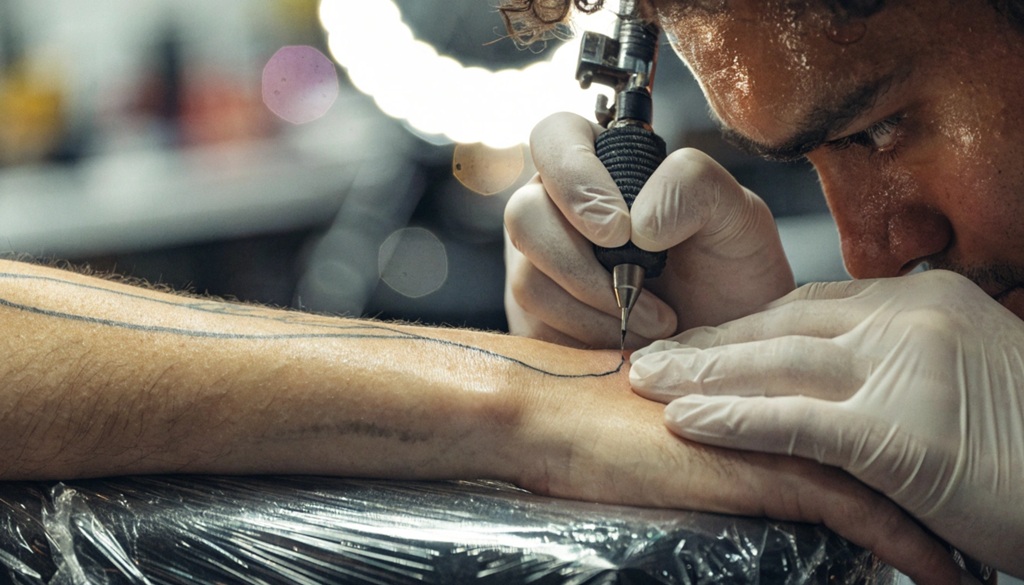

Fine line tattoos stay sharp when three things line up: a skilled artist, the right placement, and disciplined aftercare. Skip any one of these, and even the prettiest linework can turn into a soft, blurry smudge within a few years. This guide breaks down exactly what to check before you book, so your tattoo still looks crisp a decade from now.
Fine line work has exploded in popularity because it looks delicate and modern. But that same thin, delicate quality is also its biggest weakness. Thick bold lines forgive small mistakes in skin depth or ink saturation. Thin lines don’t. A tiny error spreads more visibly over time, which is why so many fine line tattoos end up looking fuzzy after just two or three years.
The good news? Blurring isn’t random. It follows patterns you can predict and plan around. Once you understand what causes it, you can make smarter choices about your design, your artist, and where you put the tattoo on your body.
Why Fine Line Tattoos Blur More Than Traditional Tattoos
Fine line tattoos blur more easily because they rely on thin needles depositing less ink into a smaller area of skin. This leaves less room for error and less ink volume to hold its shape as skin ages and stretches.
Traditional bold tattoos use thicker needle groupings and heavier ink saturation. Even if the skin shifts slightly over the years, the line is thick enough to still read as a clean shape. Fine lines don’t have that buffer. A line that starts at 0.5mm can visually double in width once your immune system responds to the ink and your skin cells naturally turn over.
The Role of Skin Type in Blurring
Oily skin and skin with larger pores tend to hold ink less precisely than dry, tighter skin. If you have naturally oily skin, ask your artist about this during your consultation. Some artists adjust their technique, going slightly deeper or choosing different needle configurations, to account for it.
The Role of Sun Exposure
UV rays break down ink particles and fade the pigment unevenly, which makes fine lines look blurry even when the actual line placement hasn’t changed. Sun damage is one of the most preventable causes of premature blurring, and it’s often overlooked by first-time tattoo clients.
How to Pick a Placement That Keeps Lines Crisp Longer
The best placements for fine line tattoos are areas with tight, flat skin and minimal friction, such as the forearm, upper arm, shin, and upper back. Areas with lots of movement, stretching, or friction cause fine lines to blur faster than areas that stay relatively still.
Joints like fingers, wrists, and ankles bend constantly. That repeated flexing puts stress on the skin and the ink sitting just beneath it. Over time, this movement pulls at the linework and softens its edges. Fingers are especially notorious for fast fading because the skin there also regenerates quickly due to constant use and washing.
Areas exposed to regular sun, like hands, forearms, and the neck, also fade faster unless you’re committed to daily sunscreen. If you know you won’t keep up with sun protection, choose a spot that’s usually covered by clothing instead.
Best Placements for Long-Term Sharpness
- Upper arm and shoulder (flat, low friction)
- Upper back (rarely stretched)
- Shin (tight skin, minimal movement)
- Ribcage, when done by an experienced artist
Placements That Blur Fastest
- Fingers and hands
- Inner wrist
- Feet and ankles
- Anywhere with loose or thin skin, like inner elbows
What to Look for in an Artist Who Specializes in Fine Line Work
Not every talented tattoo artist is skilled at fine line work specifically, so check their portfolio for healed photos, not just fresh ink. Fresh tattoos almost always look sharp. The real test is how a piece looks six months or a year later, once swelling has gone down and the skin has fully healed.
Ask to see healed work directly, and don’t be shy about it. A confident fine line artist will have plenty of examples, because clients who love their healed results usually send follow-up photos. If an artist can only show you fresh, unhealed tattoos, that’s worth asking about. Learn how to spot neo-traditional style tattoos and key traits if you prefer bolder lines with fine details.
Questions to Ask During Your Consultation
Ask how deep they typically go with fine line needles and how they adjust for different skin types. A knowledgeable artist should be able to explain their reasoning clearly, not just say “trust me.” According to industry experts, single-needle work in particular requires more precision and experience than most other tattoo styles, since there’s almost no margin for inconsistent depth.
Also ask what needle configuration they use. Many fine line specialists prefer slightly larger single needles or tight round liners over true single-needle setups, because they hold ink more reliably over time while still producing a delicate look.
Design Choices That Naturally Resist Blurring
Some design decisions make blurring less noticeable even if it happens slightly over time. Choosing simple geometric shapes, adequate spacing between lines, and avoiding overly intricate detail all help your tattoo age more gracefully.
Give Your Lines Room to Breathe
Tattoos with lines packed too closely together are more likely to blur into each other as ink spreads slightly under the skin. A skilled artist will naturally leave enough space between parallel lines. If you’re designing something custom, ask your artist whether your linework has enough breathing room, especially for small text or intricate patterns.
Avoid Tiny Text and Overly Detailed Designs
Small script tattoos are one of the most common fine line regrets. Letters that look perfectly legible on day one can turn into an illegible smudge within a few years, especially at sizes smaller than half an inch. If you want text, consider sizing it up slightly or choosing a bolder font style that holds up better long-term.
Consider a Slightly Bolder Line Weight
You don’t have to sacrifice the fine line aesthetic entirely. Many artists now blend fine line techniques with slightly thicker outlines on the parts of a design most prone to blurring, like small details or curved sections. This hybrid approach keeps the delicate look while adding a bit of longevity insurance.
Aftercare Habits That Protect Fine Line Detail
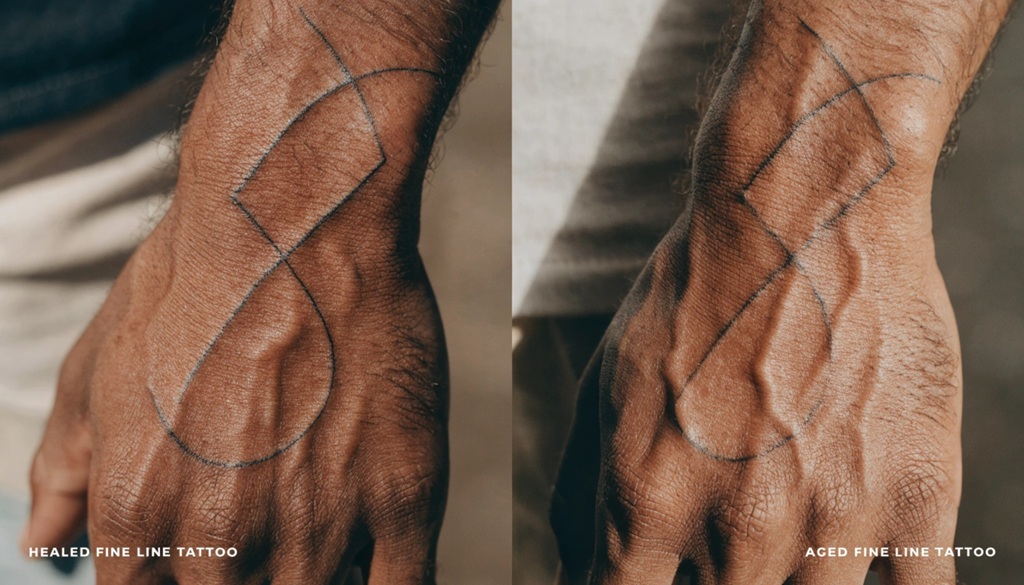
Proper aftercare directly affects how sharp your fine line tattoo stays, and skipping steps like sun protection or picking at healing skin can undo even the best linework. Aftercare matters more for fine line tattoos than for bold traditional work, simply because there’s less ink to lose before the design starts looking different.
Keep the tattoo clean and moisturized during the healing period, following whatever specific instructions your artist gives you. Every artist has slightly different preferences for products and timing, so trust theirs over generic internet advice.
Never pick at scabs or peeling skin, even when it feels manageable. Picking pulls out ink unevenly, which creates the exact patchy, blurred look people are trying to avoid with fine line work in the first place.
Once healed, apply sunscreen to the tattoo any time it’s exposed to sunlight. This single habit does more to preserve fine line sharpness long-term than almost anything else on this list. UV exposure is cumulative, meaning even occasional unprotected sun exposure adds up over the years.
Is Fine Line Work Right for You? Honest Trade-Offs to Consider
Fine line tattoos aren’t the right choice for everyone, and being honest about your lifestyle and skin type before booking saves you from disappointment later. If you have very active skin (frequent sun exposure, manual labor, or a job with lots of hand movement), a bolder style might genuinely serve you better long-term.
Consider how often you’ll realistically apply sunscreen, how oily or dry your skin tends to be, and whether the placement you want is one that stretches or moves often. None of these factors should stop you from getting a fine line tattoo you love, but they should inform where you place it and how you care for it afterward.
If longevity matters more to you than the ultra-delicate look, ask your artist about a slightly bolder version of your design. A good artist will be honest with you about these trade-offs rather than just agreeing to whatever you ask for.
Frequently Asked Questions
How long do fine line tattoos typically last before they start blurring?
Most fine line tattoos start showing minor softening around the three-to-five-year mark, though this varies a lot based on placement and skin type. High-friction areas like hands and feet often blur sooner, sometimes within a year or two. With good placement and aftercare, many fine line tattoos still look sharp after a decade.
Can a blurred fine line tattoo be fixed or touched up?
Yes, many blurred fine line tattoos can be refreshed with a touch-up session, where the artist goes over the existing lines to restore sharpness. This works best when the blurring is minor and the original linework is still visible. Severely faded tattoos sometimes need a redesign with slightly bolder lines instead.
Is single needle tattooing the same as fine line tattooing?
Not exactly. Single needle tattooing is one specific technique used to achieve a fine line look, but many artists use small needle groupings that produce similar results with slightly better ink retention. Ask your artist which method they use and why, since this affects both the look and the longevity of your tattoo.
Do fine line tattoos hurt more than traditional tattoos?
Pain levels are similar overall, though fine line sessions sometimes involve more passes over the same area to build up the design. Placement affects pain more than line thickness does, so a fine line tattoo on a bony area will likely hurt more than a bold tattoo on a fleshier spot.
What skin tones or types should avoid fine line tattoos?
Fine line tattoos can work on any skin tone, but very oily skin or skin prone to keloid scarring may hold thin lines less precisely over time. This doesn’t rule out fine line work entirely, but it’s worth discussing with your artist, who may suggest slight adjustments to depth or line weight based on your specific skin.
Final Thoughts
Fine line tattoos can absolutely stay sharp for years, but only when you plan for it upfront. Choose an artist who shows you healed work, not just fresh photos. Pick a placement with tight skin and low friction. Commit to real aftercare, especially sun protection, long after the healing period ends. Get these three things right, and your fine line tattoo has every chance of aging just as beautifully as the day you got it.