



The best way to find a unique tattoo idea is to look inward first, not online. Scrolling Pinterest or Instagram right away often leads to copying someone else’s story instead of telling your own.
Before you search for images, ask yourself a few questions. What moments changed you? What people, places, or beliefs shape who you are today? What do you want to remember, or never forget?
Write these answers down. You don’t need artistic skill here just honesty. A tattoo rooted in a real memory or value will almost always feel more personal than one picked because it looked cool on someone else’s arm.
Turn Personal Stories Into Visual Concepts
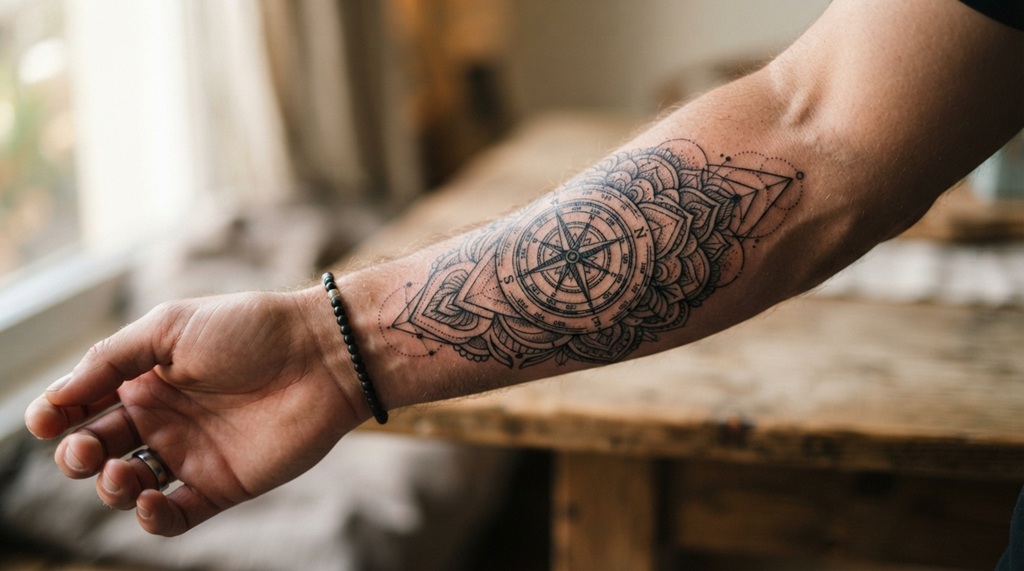
Once you know what matters to you, the next step is translating that meaning into imagery. This is often the hardest part, and it’s where a skilled tattoo artist becomes essential.
Use Symbols Instead of Literal Images
Literal tattoos (a portrait, a exact date, a specific object) can feel powerful, but symbolic tattoos often age better and invite more depth. A single feather can represent freedom. A specific knot pattern can represent an unbreakable bond. A small mountain outline can represent a personal climb.
Think about what your experience represents, not just what it looked like.
Combine Two Unrelated Elements
One genuinely underused technique: pair two symbols that don’t obviously belong together, based on your own life. Someone who found peace through both music and grief might combine a sound wave with a wilting-to-blooming flower. The combination itself becomes unique, even if each individual symbol is common.
This approach works because uniqueness in tattoos rarely comes from inventing a brand-new symbol. It comes from a personal combination no one else would think to make.
Look Beyond Social Media for Inspiration
Social media shows you what’s popular, not what’s meaningful. If your goal is originality, treat it as one small input, not your main source.
Try broader references instead:
- Family archives – old photographs, letters, or objects often hold visual details worth reinterpreting
- Books and poetry – a specific line or motif can translate into a subtle design
- Nature you’ve personally experienced – a tree from your childhood yard, not a generic “nature tattoo”
- Cultural or ancestral art – researched respectfully and with real connection to your heritage. For example, exploring mayan tattoo designs: Meaning, symbolism, and stunning ideas is a great way to incorporate history, strength, and timeless cultural symbolism into your next piece.
The goal is to collect raw material that reflects your actual life, not references pulled from a trending hashtag.
Work Closely With a Tattoo Artist Who Understands Custom Work

A tattoo artist can turn a vague idea into a striking design, but only if you choose one who specializes in custom concepts rather than flash sheets. This distinction matters more than most people realize.
Look through an artist’s portfolio for signs of original work: varied compositions, individualized elements, and designs that don’t repeat the same template. During a consultation, share your story, not just a reference image. Good custom artists ask questions before they draw a single line.
Bring your notes, symbols, and any raw inspiration. Let the artist guide the composition. Their job is to solve the visual puzzle your ideas create, and their experience will often improve on what you imagined.
Avoid Common Mistakes That Lead to Generic Tattoos
Many people default to safe, overused choices simply because they didn’t know other options existed. Avoiding a few common traps makes originality much easier.
Don’t Choose a Design Only Because It’s Trending
Trend-driven tattoos (specific fonts, matching minimalist line art, certain quote styles) often look dated within a few years. If you love a trend, ask what draws you to it personally. That reason can guide a more individual version of the idea.
Don’t Skip the Placement Conversation
Placement changes how a design reads. A detailed piece shrunk onto a wrist may lose its meaning, while the same design on a forearm or back might have room to breathe. Discuss size and placement with your artist before finalizing anything.
Don’t Rush the Decision
A tattoo is permanent, and rushing usually leads to regret or a design that doesn’t feel unique. Industry experts commonly recommend living with an idea for weeks or months before committing, especially for larger or more personal pieces.
Consider a Consultation-First Approach for True Originality
If uniqueness is the main goal, structure your process around the consultation itself rather than the design. This is a genuinely underused approach compared to typical “browse and pick” advice.
Start the process by finding three or four artists whose custom work resonates with you. Book consultations with each before deciding on a design at all. Bring only your personal notes and story, not preset images.
This way, each artist naturally interprets your meaning differently. You’ll end up choosing not just a design, but the specific creative perspective that fits you best. Since no two artists will draw your story the same way, this method almost guarantees originality.
Frequently Asked Questions
How do I find a tattoo idea if I don’t have a specific story or memory to work from?
Start with values instead of events. Think about what matters to you right now, such as resilience, family, or growth, and build symbolism from there.
Is it okay to combine tattoo ideas from different cultures or styles?
It can work well if done thoughtfully and respectfully, especially when there’s a genuine personal connection. When in doubt, research the meaning behind a symbol before using it, and discuss it openly with your artist.
How much should I trust my artist’s creative input over my original idea?
A lot, especially with experienced custom artists. Your idea provides the meaning, but their expertise turns it into a design that actually works on skin and ages well.
What if I can’t decide between two very different tattoo concepts?
Live with both ideas for a few weeks before deciding. Often, one idea will feel more urgent or personal over time, which tells you it’s the right one.
Can a simple tattoo still be unique?
Yes. Simplicity and originality aren’t opposites. A small, well-thought-out symbol tied to your specific story is often more unique than an elaborate design copied from someone else.
Final Thoughts
Finding a unique tattoo idea starts with self-reflection, not searching. When you build your concept from real memories, values, and symbolism, and then collaborate with the right artist, you end up with a design that couldn’t belong to anyone else. Take your time, ask questions, and let your story not trends guide the final result.