

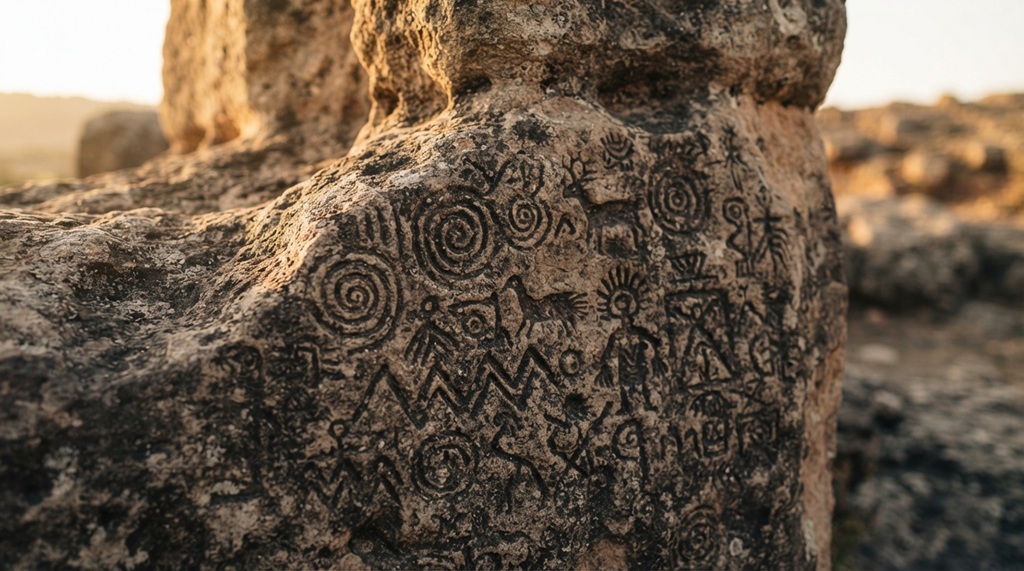

Tribal symbols carry meaning that goes far beyond their bold black lines. Each shape, curve, and pattern once told a story about a person’s family, rank, or journey through life. To understand tribal symbols today, you need to look past the visual style and learn the culture behind it.
This guide breaks down the major tribal tattoo traditions, what their symbols actually mean, and how to choose one that respects its roots. Whether you already have tribal ink or you’re planning your first piece, you’ll walk away knowing how to read these designs like an insider.
We’ll also cover a mistake almost every beginner makes when picking a tribal design, and how to avoid it.
What Are Tribal Symbols in Tattoo Art?
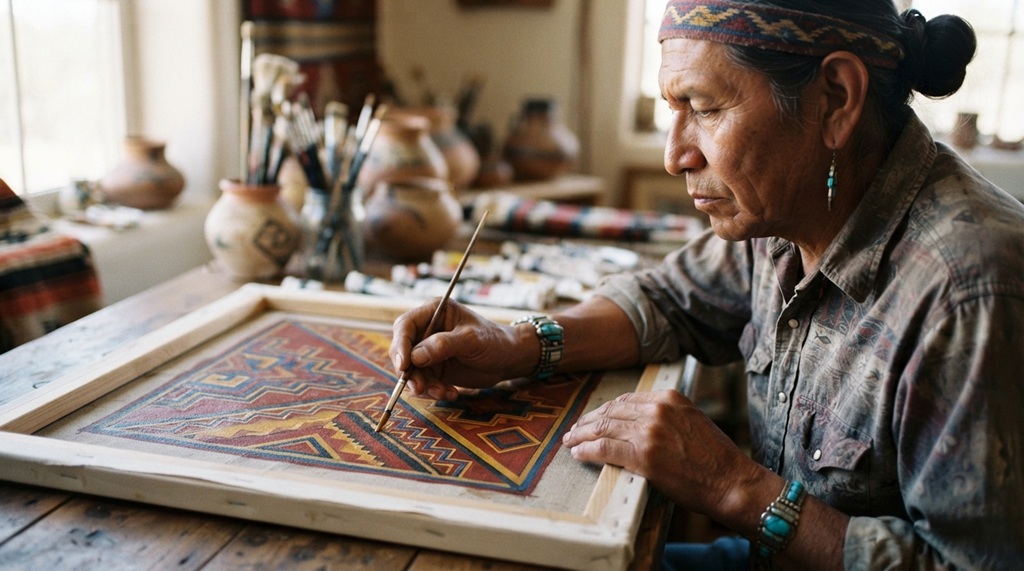
Tribal symbols are visual marks that originated within specific indigenous cultures to represent identity, status, or spiritual belief. They are not one single style. The term “tribal tattoo” gets used loosely today, but it actually covers several distinct traditions, each with its own rules and history.
Common tribal tattoo traditions include:
- Polynesian (Samoan, Maori, Tahitian, Marquesan)
- Celtic (Irish and Scottish knotwork)
- Native American (varies heavily by nation)
- Haida (Pacific Northwest Coast)
- Berber and North African patterns
Each tradition has its own symbol language. A spiral in Maori work does not mean the same thing as a spiral in Celtic art. This is the first thing to understand before you go any further.
Polynesian Tribal Symbols and Their Meanings
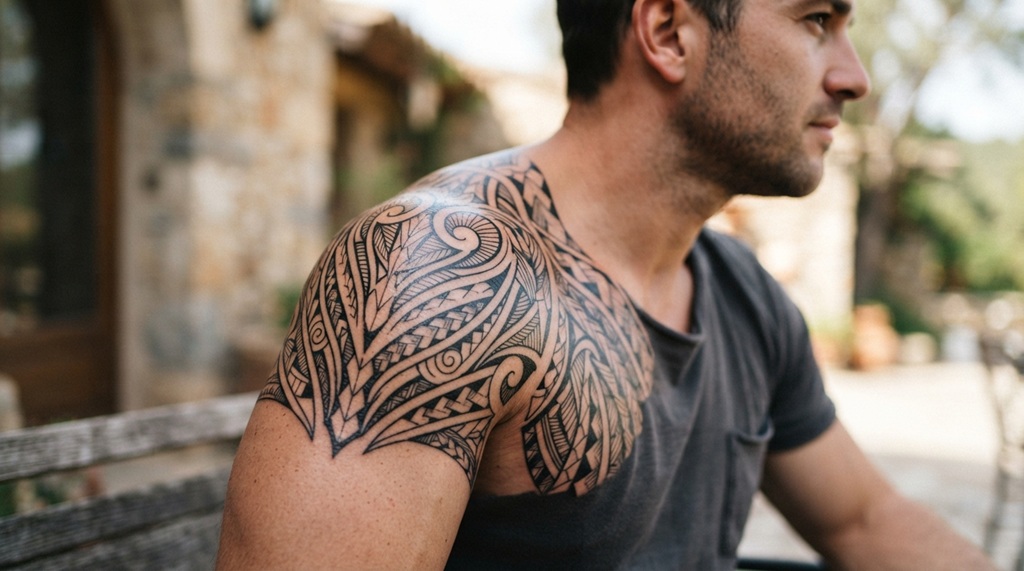
Polynesian tattoos use a visual language built from repeating shapes, and each shape stands for a specific idea. This tradition, often called “tatau,” is one of the oldest tattoo practices in the world.
Common Polynesian Symbols
- Shark teeth (niho mano): protection and guidance
- Turtle (honu): long life, fertility, and navigation
- Ocean waves: change and life’s journey
- Sun symbols: leadership and new beginnings
- Spearheads: courage in battle
Body Placement as the Key to Cultural Meaning
In traditional Polynesian practice, a symbol’s placement on the body fundamentally alters its underlying meaning an arm motif often denotes labor, action, and physical strength, whereas that exact same symbol positioned over the chest reflects lineage, emotion, and familial devotion. This intricate, highly localized context is precisely why authentic body art demands the expertise of a culturally trained practitioner rather than a mass-produced stencil. Grasping these foundational motifs ensures you respect their lineage and avoid unintended interpretations; for example, taking the time to decode Japanese tattoo art meanings before inking ensures your chosen imagery authentically aligns with its intended cultural narrative.
Celtic Tribal Symbols and Their Meanings
Celtic tribal designs use knotwork and spirals to represent ideas that have no clear beginning or end. This reflects core Celtic beliefs about eternity, faith, and interconnection.
Common Celtic Symbols
- Triquetra (trinity knot): three connected life stages, or spiritual trinity
- Celtic cross: faith combined with heritage
- Spiral (triskelion): movement, progress, and life cycles
- Claddagh: love, loyalty, and friendship
Unlike Polynesian tattooing, Celtic knotwork rarely changes meaning based on placement. The symbol itself carries the message, wherever it’s inked.
Native American Tribal Symbols and Their Meanings
Native American symbols vary enormously between nations, and no single “Native American tattoo style” actually exists. This point matters because a lot of mainstream tattoo flash mislabels generic patterns as “Native American,” which flattens hundreds of distinct cultures into one look.
Some widely recognized symbols include:
- Feathers: honor, strength, and connection to spirit
- Arrows: direction, protection, and, when crossed, friendship
- Dreamcatcher patterns: filtering out bad dreams or negative energy
- Animal totems (bear, wolf, eagle): specific traits tied to that animal
Because these symbols belong to living cultures with specific protocols, many Indigenous artists and communities ask outsiders to research carefully or avoid certain sacred designs entirely. If you’re drawn to this style, look for a Native artist or a shop that consults with tribal cultural advisors.
Haida and Pacific Northwest Symbols
Haida tattoo art uses bold formline shapes to represent animals, ancestry, and clan identity. This style comes from the Haida Nation and neighboring Pacific Northwest Coast peoples.
Key symbols include:
- Raven: transformation and creation
- Eagle: wisdom and strength
- Bear: family and protection
- Orca: community and travel
Haida formline art follows strict structural rules, including ovoid shapes and specific line weights. Because this style is closely tied to specific clans, it’s worth researching an artist’s background before getting a Haida-inspired piece.
How to Choose a Tribal Symbol With Real Meaning (Not Just a Cool Shape)
Choosing a tribal symbol should start with the meaning you want, not the shape you like on Pinterest. This is the step most beginners skip, and it’s the biggest mistake in tribal tattoo culture today.
Here’s a simple process to follow:
- Identify the meaning you want first. Protection, family, strength, transformation, and so on.
- Research which tradition actually represents that meaning. Don’t assume all tribal styles overlap.
- Check if the symbol is open, restricted, or sacred within its culture. Some symbols are meant only for specific people, like tribal chiefs or warriors who earned them.
- Talk to a tattoo artist who specializes in that tradition. A general tattoo artist may not know the cultural rules behind a specific symbol.
- Ask about placement. In traditions like Polynesian tatau, where a symbol goes changes what it says.
According to industry experts and cultural practitioners, one of the most common regrets in tribal tattooing comes from picking a design purely for its look, then learning later that it held a specific, sometimes restricted, meaning within someone else’s culture.
Cultural Respect: Appreciation vs Appropriation in Tribal Tattoos
Getting a tribal tattoo respectfully means understanding whose culture the symbol comes from and whether it’s meant to be shared. This is a real and ongoing conversation within the tattoo community, not just a technicality.
A few guidelines help:
- Research the origin of the symbol before you commit to it.
- Avoid sacred or rank-specific marks unless you have a genuine connection to that culture.
- Support artists from the tradition you’re drawing from, when possible.
- Ask questions openly. A good tattoo artist will explain a symbol’s background, not just its outline.
Appreciation involves learning the story behind a design and honoring it. Appropriation involves taking the image without any regard for what it represents. The line between them usually comes down to intent, research, and respect.
Frequently Asked Questions
What does a tribal tattoo actually symbolize?
It depends entirely on the tradition it comes from. Polynesian tribal tattoos often symbolize protection, strength, or family, while Celtic tribal designs typically represent eternity and connection. There’s no single meaning that applies to all “tribal” tattoos as a category.
Are tribal tattoos disrespectful to get if you’re not part of that culture?
Not automatically, but it depends on the specific symbol and how it’s used. Sacred or rank-specific symbols, like certain Polynesian or Native American marks, are best avoided unless you have a real connection to that culture. Open, widely shared symbols are generally more acceptable, especially when you understand their meaning first.
How do I find out what a specific tribal symbol means?
Start by identifying which cultural tradition the symbol comes from, since the same shape can mean different things in different traditions. Look for books, cultural organizations, or artists who specialize in that specific style. Avoid relying only on generic tattoo flash descriptions, which often oversimplify or misattribute meanings.
Do tribal tattoos still hold real meaning today, or are they just decorative?
Both, depending on the wearer and the artist. Many people get tribal tattoos purely for their bold visual style, while others seek out a specific artist to create a design rooted in genuine cultural meaning. If meaning matters to you, work with an artist trained in that tradition rather than picking a design from a flash sheet.
What’s the difference between tribal and blackwork tattoos?
Tribal tattoos come from specific cultural traditions with symbolic meaning, while blackwork is a broader modern style that uses bold black ink without necessarily tying to any culture. Blackwork sometimes borrows visual elements from tribal art, which can blur the line for casual viewers. The key difference is cultural origin and intended meaning, not just the color palette.
Conclusion
Tribal symbols hold layers of meaning that go far beyond their striking visual style. Polynesian, Celtic, Native American, and Haida traditions each carry their own symbols, rules, and stories, and understanding those differences helps you choose ink that actually means something. Before you sit down for a tribal tattoo, take the time to research its origin, talk to a specialized artist, and pick a design that reflects both the look and the meaning you want to carry.