



Getting a tattoo is a mix of excitement and nerves for many. Over 30 percent of Americans have at least one tattoo, and the number keeps growing. The big question for first-timers is always about the pain. Does it hurt a lot or just a little? The truth is that it varies, but most describe it as a sharp, burning sensation. This guide will walk you through what to expect, how to prepare, and why the experience is often worth the temporary discomfort.
Understanding Tattoo Pain: What to Expect
The Emotional Side of Getting a Tattoo
Getting a tattoo is not just about the physical sensation. Many people feel a surge of emotions during and after the process. The release of endorphins, your body’s natural painkillers, can create a sense of euphoria. This is why some people describe the experience as addictive.
The emotional connection to your tattoo can also heighten the experience. Whether it is a tribute, a personal symbol, or just a piece of art you love, the meaning behind it can make the pain feel worth it. Some even find the process therapeutic, as it allows them to focus on something meaningful. Mayan tattoo designs often carry deep personal significance.
For some, the anticipation of the pain is worse than the pain itself. Once the needle starts, the focus shifts to the artwork taking shape. Many people feel a sense of pride and accomplishment as they watch their tattoo come to life. This emotional high can make the physical discomfort feel less significant.
It is also common to feel a mix of adrenaline and anxiety before the session begins. This is normal, especially for first-timers. Talking to your artist about your concerns can help ease your mind. They have likely heard it all before and can offer reassurance and advice.
Factors That Influence Tattoo Pain
Several factors can influence how much a tattoo hurts. The location on your body is one of the biggest. Areas with thin skin or close to bones, like the hands, feet, or collarbone, tend to be more painful. These spots have less cushioning, so the needle feels more direct.
The size and complexity of the design also play a role. Larger tattoos take more time, which can make the pain feel more drawn out. Detailed designs with lots of shading or color packing can also be more intense. The longer the needle stays in one area, the more it can start to feel sore.
Your own pain tolerance and mental state can make a big difference. If you are stressed or anxious, the pain may feel worse. Staying relaxed and hydrated can help you manage the sensation better. Some people find that listening to music or chatting with their artist helps take their mind off the pain.
External factors, like how well you have eaten or slept before your session, can also affect your experience. Going into your appointment well-rested and fed can help you handle the pain better. Avoiding alcohol or blood thinners before your session is also important, as they can make you more sensitive to pain.
What Does a Tattoo Feel Like in Different Body Areas
Different parts of the body offer unique sensations during a tattoo session. The outer arm is one of the least painful spots for many people. The skin is thicker here, and there is more muscle to cushion the needle. This makes it a popular choice for first-timers.
The ribs are known for being one of the most painful areas. The skin is thin, and the bones are close to the surface. Many describe the pain here as sharp and intense. However, the result can be stunning, and many find the pain worth it for the final artwork.
The spine is another sensitive area. The pain here can feel deep and achy, especially as the needle moves along the bone. Some people compare it to a hot, stinging sensation. Despite the discomfort, spinal tattoos are a popular choice for their dramatic effect.
The thigh can be a good middle-ground option. The pain is usually moderate, and the area offers plenty of space for larger designs. The sensation here is often described as a dull ache. It is a great spot for those who want a less painful experience but still want a bold tattoo. How to survive an 8 hour tattoo session can offer more insights.
How to Prepare for Your Tattoo Session
Preparation is key to making your tattoo experience as smooth as possible. Start by choosing a reputable artist and studio. Look at reviews and portfolios to ensure they have a clean, professional setup. A good artist will also take the time to discuss your design and answer any questions you have.
Before your session, make sure to eat a good meal. This helps keep your blood sugar stable, which can prevent dizziness or fainting. Staying hydrated is also important, as it helps your skin take the ink better. Avoid alcohol or caffeine before your appointment, as they can thin your blood and make the process more painful.
Wear comfortable clothing that allows easy access to the area being tattooed. If you are getting a tattoo on your leg, shorts or loose pants are a good choice. For arm tattoos, a short-sleeve shirt works well. This makes it easier for your artist to work and helps you stay comfortable during the session.
Mentally preparing yourself is just as important as physical preparation. Remind yourself why you want the tattoo and what it means to you. This can help you stay focused and positive during the session. Some people find it helpful to bring a friend for support, especially if they are nervous.
Managing Pain During the Tattoo Session
There are several ways to manage pain during your tattoo session. Deep breathing can help you stay calm and centered. Focus on slow, steady breaths to keep your body relaxed. This can also help distract you from the sensation of the needle.
Some people find that holding a stress ball or fidget toy helps. This gives your hands something to do and can take your mind off the pain. Your artist may also offer breaks if you need them. Do not hesitate to ask for a pause if you are feeling overwhelmed.
Topical numbing creams are another option for pain management. These can be applied before the session to dull the sensation. However, they can also affect how the ink sets into your skin, so it is important to discuss this with your artist first. Not all studios allow numbing creams, so check ahead of time.
Staying still is crucial during your session. Movement can make the process more difficult for your artist and can also increase the pain. If you need to adjust your position, let your artist know so they can pause and help you get comfortable again.
Aftercare and What to Expect After the Session
Once your tattoo is complete, the aftercare process begins. Your artist will clean the area and apply a bandage or wrap. They will also give you instructions on how to care for your new tattoo. Following these steps is crucial for healing and preventing infection.
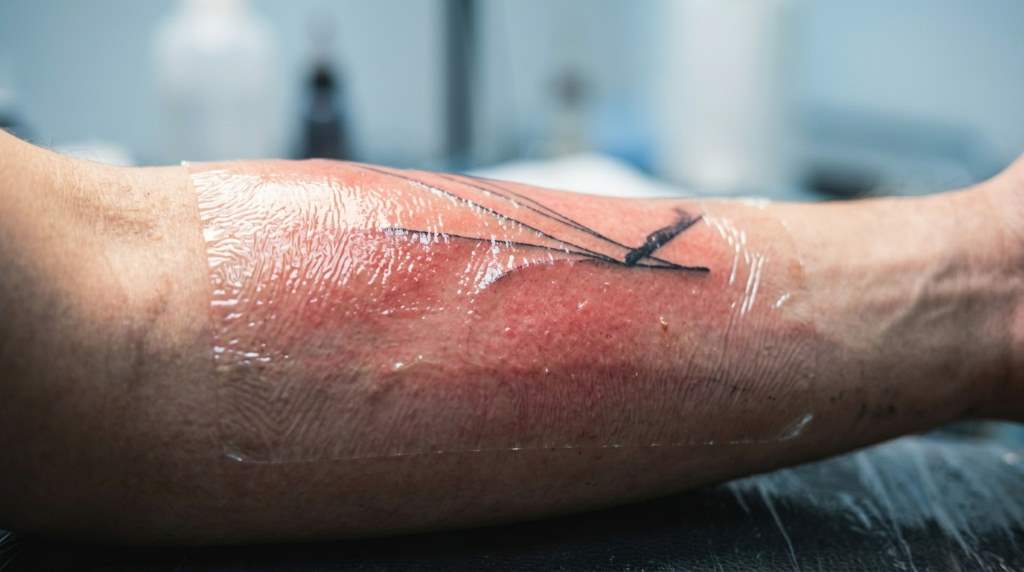
The first few days after your tattoo, you can expect some soreness and redness. This is normal and part of the healing process. You may also notice some swelling or slight bleeding. Keeping the area clean and moisturized will help it heal properly.
Avoid picking at scabs or scratching the tattoo as it heals. This can damage the design and increase the risk of infection. It is also important to stay out of direct sunlight and avoid swimming or soaking the tattoo in water for at least two weeks.
As your tattoo heals, it may start to itch or peel. This is a sign that your skin is repairing itself. Using a fragrance-free lotion can help soothe the itching. Most tattoos take about 2-4 weeks to fully heal, but this can vary depending on the size and location of the design.
The Unique Sensation of Getting a Tattoo
One of the most unique aspects of getting a tattoo is the mix of pain and pleasure. The endorphins released during the process can create a natural high. This is why some people describe the experience as addictive. The combination of adrenaline, endorphins, and the emotional connection to the artwork can make the pain feel worth it.
Many people also report feeling a sense of accomplishment after their tattoo is complete. The process can be challenging, but the result is a permanent piece of art that holds personal meaning. This sense of achievement can make the pain feel like a small price to pay.
The sound of the tattoo machine can also add to the experience. The buzzing noise is often described as soothing or even meditative. Some people find that the sound helps them relax and focus on the process. It can also serve as a reminder of the art being created.
For some, the pain of getting a tattoo can also feel like a form of self-expression. The temporary discomfort is a way to connect with the artwork on a deeper level. It can also serve as a reminder of the strength and resilience it takes to sit through the session.
Common Myths About Tattoo Pain
There are many myths about tattoo pain that can make first-timers more anxious. One common misconception is that tattoos always hurt a lot. While there is some discomfort, many people find it manageable, especially in less sensitive areas.
Another myth is that the pain is the same for everyone. In reality, pain tolerance varies widely from person to person. What feels intense for one person may feel mild for another. It is important to remember that everyone’s experience is unique.
Some people also believe that larger tattoos always hurt more. While it is true that bigger designs take more time, the pain is not necessarily worse. The sensation can become more tolerable as your body adjusts to the needle. Smaller tattoos can sometimes feel more intense because the pain is concentrated in one area.
Finally, there is a myth that tattoo pain is unbearable. While it can be uncomfortable, most people find that they can handle it with the right preparation and mindset. The temporary pain is often outweighed by the joy of having a meaningful piece of art on your body.
Tips for First-Time Tattoo Getters
If you are getting your first tattoo, there are a few tips to keep in mind. Start with a small, simple design in a less sensitive area. This can help you get used to the sensation before committing to a larger piece. It is also a good way to test your pain tolerance.
Choose a design that has personal meaning to you. This can make the experience more rewarding and help you focus on the positive aspects of the process. A tattoo with significance can also serve as a source of pride and confidence.
Do your research before choosing an artist. Look for someone with a style that matches your vision and a reputation for quality work. A good artist will also take the time to discuss your design and answer any questions you have. This can help you feel more comfortable and prepared for your session.
Finally, remember that the pain is temporary, but the artwork is permanent. Keeping this in mind can help you stay positive during the session. The discomfort will fade, but the meaning and beauty of your tattoo will last a lifetime.
Conclusion
Getting a tattoo is a unique experience that blends pain, emotion, and artistry. While the sensation of the needle can be intense, it is often outweighed by the joy of the final result. Understanding what to expect and how to prepare can help you feel more confident and excited about your session.
Whether you are marking a special moment, expressing your individuality, or simply admiring the art, a tattoo can be a powerful and meaningful addition to your life. Embrace the process, stay positive, and enjoy the journey of creating something beautiful and personal.
If you are considering your first tattoo, take the time to research and prepare. Talk to your artist, choose a design that speaks to you, and go into the session with an open mind. The pain may be temporary, but the artwork and the memories will last forever.
Ready to take the plunge? Book a consultation with a trusted artist and start planning your perfect tattoo today.
FAQ
Does getting a tattoo always hurt?
Most people feel some level of discomfort, but the pain varies depending on the location and your pain tolerance.
How long does the pain last after getting a tattoo?
The soreness usually fades within a few days, but the area may feel tender for up to a week.
Can I use numbing cream before my tattoo?
Some studios allow it, but it is best to check with your artist first, as it can affect the ink.
What is the least painful place to get a tattoo?
Areas with more muscle and fat, like the outer arm or thigh, tend to be less painful.
How can I prepare for my first tattoo session?
Eat a good meal, stay hydrated, and choose a design and artist you feel confident about.