

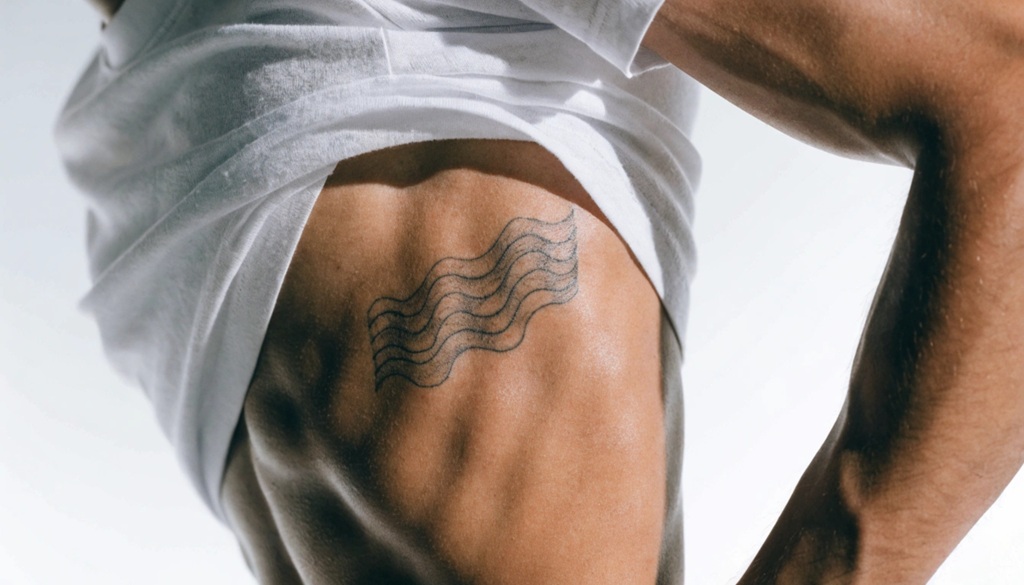

A ribs tattoo sits on one of the most painful spots on the body. But the pain is manageable, and the results are stunning. This guide breaks down where to place it, how much it hurts, and how to heal it right.
You’re likely here because you want a ribs tattoo but you’re worried about the pain. Or maybe you already booked one and want to know what healing looks like. Either way, this guide covers both.
We’ll walk through placement options, real pain expectations, healing timelines, and aftercare steps. By the end, you’ll know exactly what to expect and how to prepare.
Why the Ribs Are One of the Most Painful Tattoo Spots
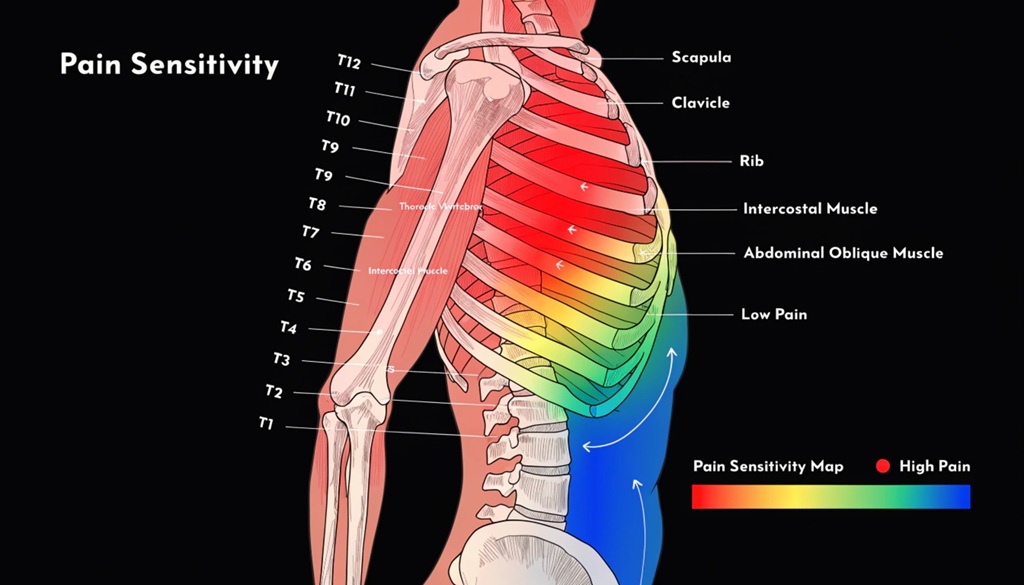
The ribs hurt more than most areas because there’s little fat or muscle to cushion the needle. Thin skin sits close to bone. Every pass of the needle feels sharp and direct.
Nerve endings also cluster densely around the rib cage. This area connects to breathing, so every inhale and exhale can shift your skin slightly during the session. That movement adds to the discomfort.
Artists often rank rib tattoos among the top five most painful placements. Spots near the sternum, underarm, and lower ribs near the hip bone tend to hurt the most. The side ribs, closer to the arm, are usually a bit more tolerable.
Pain Level by Rib Location
- Upper ribs (near armpit): High pain, sensitive skin and nerve density
- Side ribs: Moderate to high pain, still bony but slightly more padded
- Lower ribs (near hip): High pain, thin skin and closer to organs
- Sternum area: Very high pain, bone sits right under the skin
Your pain tolerance, tattoo size, and needle style also affect the experience. A small linework piece hurts less than a large shaded design covering multiple ribs.
How to Choose the Best Ribs Placement for Your Design
The right rib placement depends on your design style, visibility preference, and pain tolerance. Vertical designs work well along the side ribs. Horizontal or wrap-around pieces suit the lower rib area.
If you want a tattoo you can hide easily, go for the back or side ribs under the arm. These spots stay covered by most clothing, including swimwear in some cases. If you want visibility, the front ribs near the sternum show more when you wear certain outfits.
Matching Design Style to Rib Area
Fine line and script tattoos suit smaller rib sections. They need less time under the needle, which means less overall pain. Larger illustrative or shaded pieces often stretch across multiple ribs and take longer sessions.
Think about symmetry too. Many people choose to tattoo one side first and add a matching piece later. This lets you test your pain tolerance before committing to a bigger project.
What Pain to Expect During a Ribs Tattoo Session
Expect a sharp, stinging sensation that comes in waves as the needle moves across bone. Most people describe it as more intense than arm or leg tattoos but shorter in duration for smaller designs.
The first 10 to 15 minutes tend to feel the most intense. After that, many people report a strange adjustment where the pain becomes more tolerable, though it never fully disappears. Breathing steadily and staying still helps reduce extra discomfort.
Session length affects pain buildup. A quick 30-minute piece feels very different from a three-hour session. If you’re getting a large rib tattoo, ask your artist about breaking it into multiple shorter sessions instead of one long sitting.
Tips to Manage Pain Mid-Session
- Eat a full meal before your appointment to keep blood sugar stable
- Avoid alcohol and caffeine the day of your session
- Bring headphones or a distraction to help you relax
- Communicate with your artist if you need a short break
- Practice slow, steady breathing instead of holding your breath
One angle many guides skip: your body position during the session matters more than people realize. Lying on your side with your arm raised stretches the skin, which can actually reduce some sting compared to sitting upright. Ask your artist which position they recommend for your specific design, since this small adjustment can change your comfort level significantly.
Rib Tattoo Healing Timeframes
Surface-level recovery for a rib tattoo generally takes two to four weeks, though deep tissue healing beneath the epidermis requires up to three months. Because the ribcage constantly expands and contracts with every breath compounded by the friction of daily apparel this area heals at a measurably slower pace than less dynamic placements like the arms or legs. If this side placement is part of a broader vision, evaluating to measure sleeve tattoo size and plan body flow beforehand ensures your rib piece aligns seamlessly with the anatomical movement of future body art.
Healing Timeline Breakdown
- Days 1–3: Redness, swelling, and mild oozing are normal
- Days 4–7: Scabbing begins, itching increases
- Week 2: Peeling and flaking as new skin forms
- Weeks 3–4: Surface healing completes, color may look slightly dull
- Months 2–3: Deeper skin layers finish healing, color settles fully
Because ribs are a high-movement area, cracking or scabbing can happen more easily if you bend or stretch too much early on. Gentle movement is fine, but avoid activities that stretch the skin repeatedly during the first two weeks.
How to Take Care of a Ribs Tattoo While It Heals
Proper aftercare means keeping the area clean, moisturized, and protected from friction. Since ribs sit under clothing, this spot needs extra attention to avoid irritation from fabric rubbing against fresh skin.
Daily Aftercare Steps
- Wash the area gently with fragrance-free soap twice a day
- Pat dry with a clean paper towel, never a cloth towel
- Apply a thin layer of tattoo-safe moisturizer
- Wear loose, breathable clothing over the area
- Avoid tight bras, waistbands, or belts that press on the tattoo
Sleeping can be tricky with a fresh ribs tattoo. Many people find it easier to sleep on their back or opposite side for the first week to avoid pressure on the healing skin.
What to Avoid During Healing
- Swimming pools, hot tubs, and open water for at least two weeks
- Direct sunlight on the tattoo, even after healing
- Picking or scratching scabs, which can pull out ink
- Tight clothing that rubs against the design
- Intense workouts that stretch the rib area excessively
According to industry experts, tattoos in high-friction zones like the ribs benefit from an extra week of loose clothing compared to tattoos on the arm or calf. This small change reduces the risk of scabs reopening.
Signs of Infection vs Normal Healing on Ribs Tattoos
Normal healing includes redness, mild swelling, and itching for the first week. Infection involves increasing pain, spreading redness, pus, or fever, and it requires medical attention right away.
It’s easy to confuse normal scabbing with something more serious, especially on a spot you can’t see clearly like your ribs. Use a mirror or ask someone to check the area if you’re unsure.
When to Contact a Doctor
- Redness that spreads beyond the tattoo outline after day 3
- Warmth or swelling that gets worse instead of better
- Yellow or green discharge instead of clear plasma
- Fever or chills alongside tattoo symptoms
- Red streaking lines extending from the tattoo
If you notice any of these signs, contact a healthcare provider instead of waiting it out. Rib tattoos sit close to the chest cavity, so infections here deserve quick attention.
Frequently Asked Questions About Ribs Tattoos
Do ribs tattoos hurt more than other spots?
Yes, ribs rank among the most painful tattoo locations due to thin skin and close bone. Most people rate the pain higher than arms, legs, or shoulders. Pain tolerance varies, so some people handle it better than expected.
How long should I wait before touching up a ribs tattoo?
Wait at least eight weeks before any touch-up session on the ribs. This gives the skin time to fully heal underneath, not just on the surface. Touching up too early can cause more damage than good.
Can I work out after getting a ribs tattoo?
Light movement is fine, but avoid intense core workouts or activities that stretch the ribs for at least two weeks. Sweating into a fresh tattoo also raises infection risk. Wait until scabbing fully clears before resuming heavy training.
Why does my ribs tattoo itch so much during healing?
Itching happens as new skin forms underneath the scabs. It’s a normal part of the healing process for most tattoos, especially in flexible skin areas. Avoid scratching and use moisturizer to ease the itch instead.
Is a ribs tattoo a good choice for a first tattoo?
Ribs tattoos are not usually recommended as a first tattoo due to the pain level. First-timers often do better starting on the arm, leg, or shoulder. If you’re set on ribs, talk to your artist about starting with a small design.
Final Thoughts on Choosing a Ribs Tattoo Spot
A ribs tattoo delivers a bold, personal look, but it demands preparation. Pain runs high, healing takes patience, and aftercare needs extra care due to friction from clothing and movement.
Choose your placement based on your design style and pain tolerance. Follow a strict aftercare routine, watch for infection signs, and give your body the full healing window before touch-ups. With the right planning, a ribs tattoo can turn into one of your favorite pieces.